The blog

For many founders, hiring a branding studio is a completely new kind of collaboration.
They likely understand what they want at the end of the process: They want a brand that feels elevated, cohesive, recognizable, and reflective of the business they’re building. What’s often less clear is how you actually get there or what the experience is supposed to look like while you’re in it.
A strong branding project is rarely linear. There are moments that feel highly strategic and analytical, moments that feel deeply creative, and moments that look more operational than most people expect. Some phases move quickly. Others require sitting with decisions a little longer than anticipated. And often, the most important breakthroughs happen in conversations that initially seem unrelated to design altogether.
At Isla Luna Studio, the process is intentionally structured to move through those different layers in sequence, allowing each phase to inform the next rather than forcing everything to happen simultaneously.
Here’s what that process actually looks like from the inside and why the experience tends to work best when founders understand the rhythm of it upfront.
The early phase is more investigative than most people expect
One of the first surprises for many founders is how much conversation happens before creative concepts are ever presented.
The beginning of a branding project is typically less about aesthetics and more about understanding the business at a deeper level. That means discussing goals, audience behavior, industry positioning, growth plans, customer perception, operational challenges, and the larger vision behind the company itself.
Some founders arrive with highly articulated answers already in place. Others have instincts they haven’t fully put language to yet. Both are normal.
This phase is less about “having everything figured out” and more about identifying the patterns, priorities, and differentiators that should guide the work moving forward. The process often uncovers gaps founders can already feel internally but haven’t yet been able to define clearly from the outside.
At Isla Luna Studio, strategy work may include shaping the brand story, messaging direction, positioning, audience profile, naming exploration, or larger communication framework surrounding the business. But more importantly, this service establishes the context needed for the rest of the project to feel grounded instead of arbitrary.
Without that layer, creative decisions tend to become reactive. Founders start choosing based on immediate preference rather than long-term fit, which usually creates inconsistencies later when the business begins growing across multiple platforms and touchpoints.
The strongest branding projects tend to feel cohesive because the thinking underneath them was cohesive first.
Design becomes more focused once the direction is established
Once the strategic direction is in place, the creative phase typically moves with significantly more precision.
This is where the visual identity begins taking shape through elements like typography, color systems, logos, photography direction, tone, layouts, and brand applications, depending on the project. But contrary to popular perception, the process is rarely about generating endless options. Good creative direction is usually more refined than that.
The role of design at this stage is translating the personality and positioning of the business into something people can recognize instinctively.
For some brands, that might mean creating a visual world that feels warm and editorial. For others, it may require restraint, sophistication, energy, nostalgia, or credibility. The decisions become less about chasing trends and more about creating consistency between how the business operates and how it presents itself externally.
That consistency matters more than many founders initially realize.
When every element feels like it belongs to the same ecosystem, the brand starts building familiarity much faster. The customer experience becomes smoother. Marketing decisions become easier. New assets no longer feel disconnected from older ones. The business begins showing up with a stronger sense of continuity overall.
You can see that reflected across projects like Sorella Wellness, where the visual direction balanced softness and professionalism simultaneously, or Common Language, where the goal was less about reinvention and more about refining the existing brand experience into something more cohesive and scalable.
In both cases, the identity system became stronger because the creative work was responding to a clearly defined direction rather than trying to invent one midway through the process.
The website phase is where strategy, design, and functionality meet
Website projects are often the point where founders begin seeing the full system come together in real time.
Unlike identity work, which can still feel conceptual during development, websites immediately force every piece of the brand into practical application. Messaging hierarchy, customer flow, navigation, mobile responsiveness, integrations, SEO structure, copywriting, imagery, and conversion strategy all begin interacting at once.
That complexity is part of why websites tend to come later in the process rather than first.
By the time a project reaches digital design, the brand should already have a strong understanding of how it wants to communicate, what visual system it’s operating within, and what kind of customer experience it’s trying to create. Without those decisions established upfront, websites often become overloaded with revisions because foundational questions are still being solved during development.
A strong website should feel less like a collection of pages and more like a continuation of the brand itself.
Different businesses also require different digital infrastructure depending on their goals. Some brands need the scalability and e-commerce functionality of Shopify. Others benefit from the flexibility of Showit, Squarespace, or Webflow depending on how content-heavy, service-oriented, or custom the experience needs to be.
The platform matters, but the larger question is whether the site is supporting the way the business actually operates day to day.
For brands like Mello Social and Buttr Form, the website phase became an opportunity to improve not just aesthetics, but usability, navigation, customer trust, and overall brand perception simultaneously.
That’s often where the impact of earlier strategic decisions becomes most visible.
Not every business needs the same level of buildout
One of the biggest misconceptions around branding is that every company needs the exact same process.
In reality, the scope of work should reflect the stage and needs of the business itself.
Some founders are entering the market for the first time and need an entire ecosystem built from the ground up. Others already have strong customer traction but feel disconnected from how the brand currently presents itself. Some businesses are preparing for a larger period of growth and need systems capable of supporting expansion, partnerships, retail opportunities, or increased visibility.
Those scenarios require very different approaches.
A newer brand may need more foundational exploration and direction-setting. An established company might benefit more from refinement and restructuring. A growth-stage business may require a more sophisticated digital experience or broader messaging architecture to support what comes next operationally.
At Isla Luna Studio, the process is intentionally bespoke for that reason. The goal is not to force every founder through the same sequence of deliverables, but to identify what will actually create the most useful and sustainable outcome for the business at its current stage.
That flexibility tends to create stronger work long term because the branding evolves alongside the company itself instead of locking it into a version that no longer fits six months later.
The best projects feel collaborative, not transactional
The branding projects that tend to work best are rarely the ones where founders simply hand everything off and disappear until launch day.
They’re usually the ones where communication stays open, feedback remains thoughtful, and both sides are actively invested in building something strong together.
That does not mean founders need to arrive with a fully formed creative vision. In many cases, part of Isla Luna Studio’s role is helping refine instincts, identify blind spots, and guide decision-making through a more strategic lens. But the relationship works best when there’s mutual trust around the process itself.
From the client side, that often looks like openness, responsiveness, honesty about business goals, and a willingness to engage thoughtfully with the work as it develops.
From the studio side, it means bringing structure, strategic perspective, creative expertise, transparency, and honest feedback throughout the engagement rather than simply executing requests at face value.
That collaborative dynamic is something many Isla Luna Studio clients reference repeatedly when describing their experience with the studio. Founders often speak less about individual deliverables and more about feeling supported through periods of growth, uncertainty, transition, or expansion inside the business itself.
Because ultimately, branding projects rarely happen in isolation. They tend to coincide with larger moments of evolution inside a business, whether that means new offers, new audiences, expansion into new markets, or increased visibility overall. The process becomes partly creative and partly organizational at the same time.
A branding project is really a business evolution in disguise
From the outside, working with a branding studio can appear highly visual.
From the inside, the process often feels less like a visual transformation and more like a refinement of the business itself: clarifying priorities, strengthening systems, improving communication, and creating a more consistent experience across every touchpoint. The visuals matter deeply, as does the website, but the strongest branding projects are usually the ones supported by equally thoughtful direction behind the scenes. That’s what allows the work to last.
Explore Isla Luna Studio’s services or fill out an inquiry form to start a conversation with us.
Looking to fall down more rabbit holes?
Related Articles
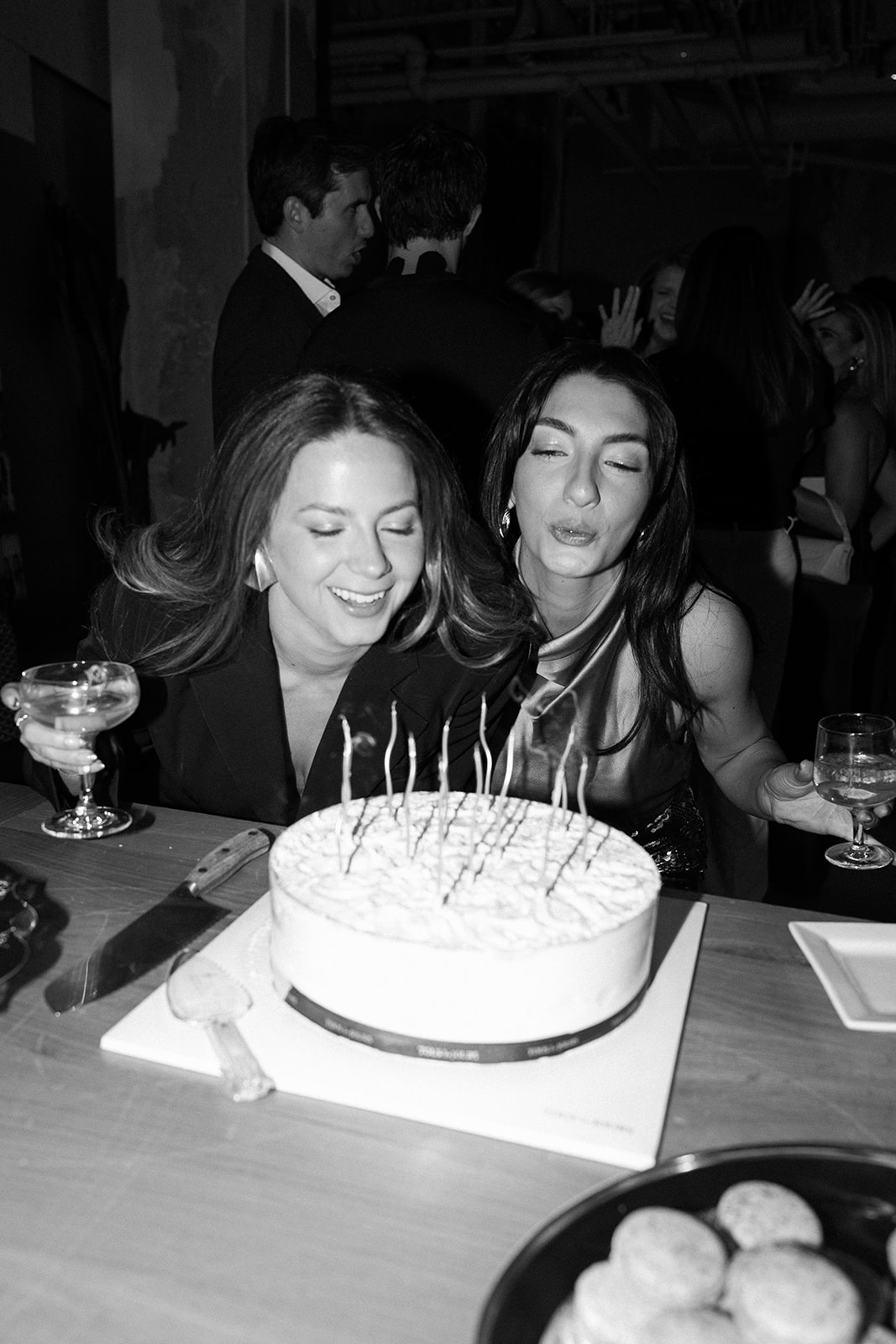
Behind the Scenes at Isla Luna Studio's Fifth Birthday Party
On June 3, we gathered at The Hall at The Robey Chicago to celebrate a milestone for our business: Isla Luna Studio's fifth birthday. The evening brought together clients, collaborators, creative partners, friends, family, and team members who have shaped the studio's journey from the very beginning. It also marked the launch of our new website and refreshed brand identity: a fitting way to step into the next chapter of Isla Luna Studio.
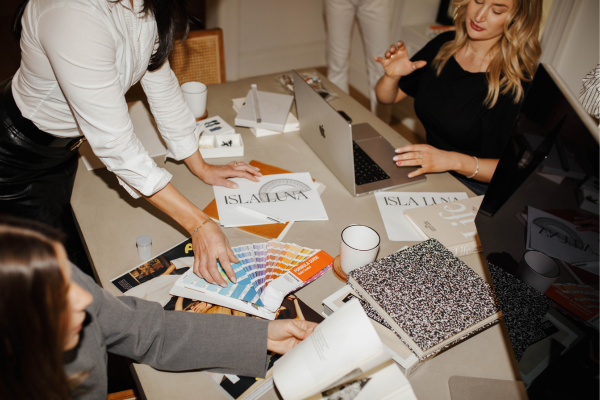
Authenticity vs Trendiness: How We Build Brands That Last
In a world of fast-moving trends, algorithm-driven aesthetics, and endless visual inspiration, it’s easy for founders to start building toward what’s working for someone else. One brand launches a polished rebrand, another goes viral on TikTok, and suddenly every decision starts filtering through comparison instead of clarity.
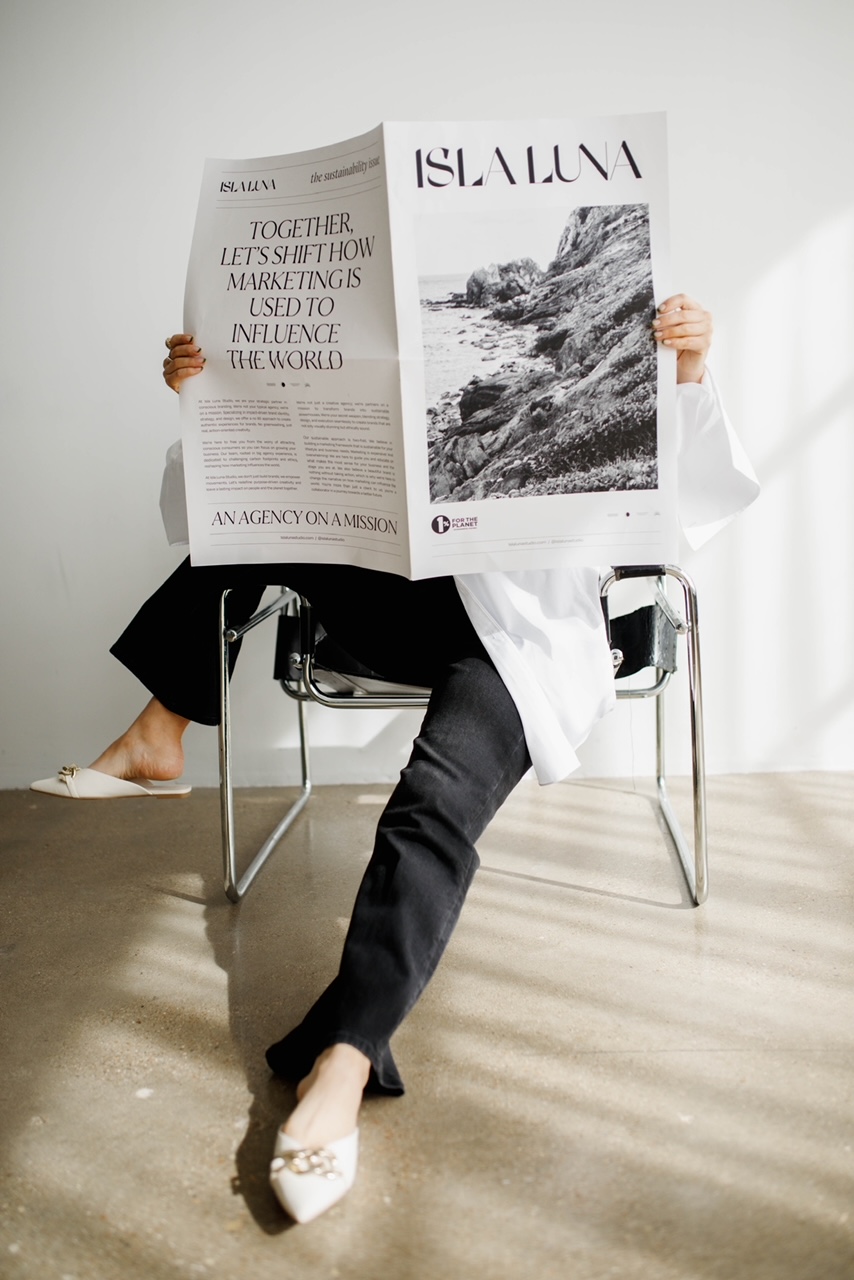
Where We’ve Been: An Overview of Recent Projects
Take a behind-the-scenes look at some of Isla Luna Studio's recent branding and website design projects. From coworking concepts and fitness platforms to coaching businesses and luxury event brands, these launches showcase the power of thoughtful strategy and intentional design.

Success Stories of Isla Luna Studio Clients
Taking a little walk down memory lane today and sharing some notable success stories of Isla Luna Studio clients! Megan Sheley: Megan is a full-time recipe developer and fellow food-obsessed girly creating dishes no matter what you’re in the market for — vegan, gluten-free, dairy-free, paleo, the full indulgence…

Thank You for 1k Followers on Instagram! & How We Got Here
Growing an Instagram following doesn't happen overnight. In this post, we're sharing the five strategies that helped Isla Luna Studio reach 1,000 followers, including consistency, engagement, content planning, inspiration, and making the most of existing resources.
Good things, straight to your inbox
Stay in the loop on Isla Luna Studio news, a peek behind the scenes, and more.
